

$2,506,592 for refugees and counting.
Many arriving refugees are highly skilled tailors, designers, makers and entrepreneurs.
Utilizing skills helps refugees make an immediate contribution to build confidence and support their families while working to overcome language barriers and understand cultural differences.

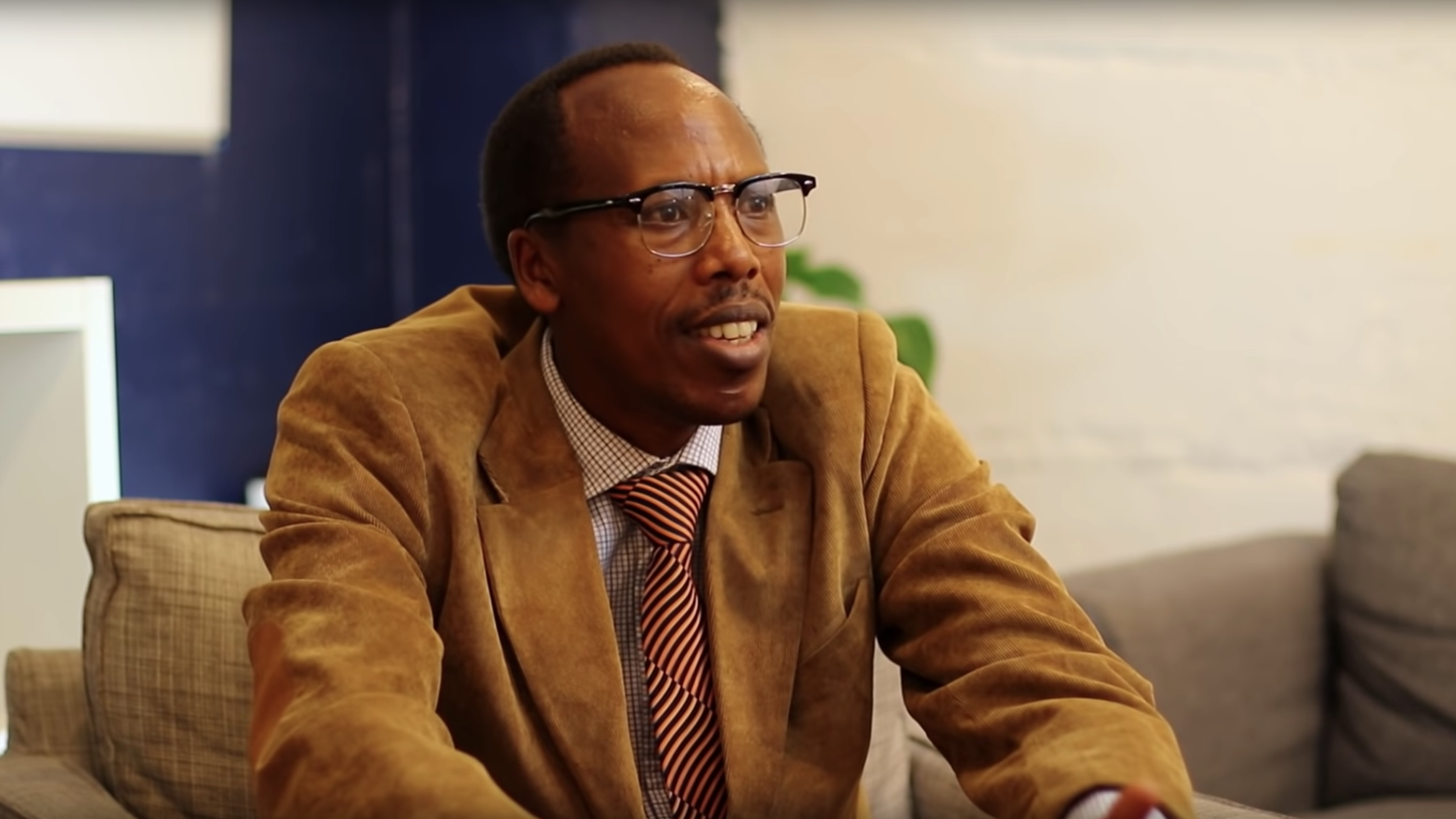
Marc's Journey from Congo and Rwanda
Living as a Congolese refugee in Rwanda for 18 years, Marc understands global racial discrimination and injustice on a deeply personal level. Evicted from the DRC, Marc and his family took refuge in Rwanda, where they worked hard to create a new home. Marc attended a year long program, where he learned to sew, and used his new talents to provide for his family as well as teach others. Becoming president of the refugee camp, Marc managed volunteers, donations, and relationships with the Rwandan government. To his surprise, his family was among the first group of refugees from the camp to be selected for resettlement to America.
Learning a new culture and country was difficult while Marc sought out jobs where he could use his sewing skills but to no avail. According to Marc, the only jobs available for recently resettled refugees were unfulfilling, unpredictable, and menial and he didn’t think it was possible to find a job doing what he loved, using his sewing and design skills. Fortunately, he found Knotty Tie and is grateful l to have a job where he can learn english, use his professional skills and provide for his family. He is proud to be able to show his children that they have a promising future and can do many things in America.
Marc continues to lead daily manufacturing after 10+ years with Knotty Tie.
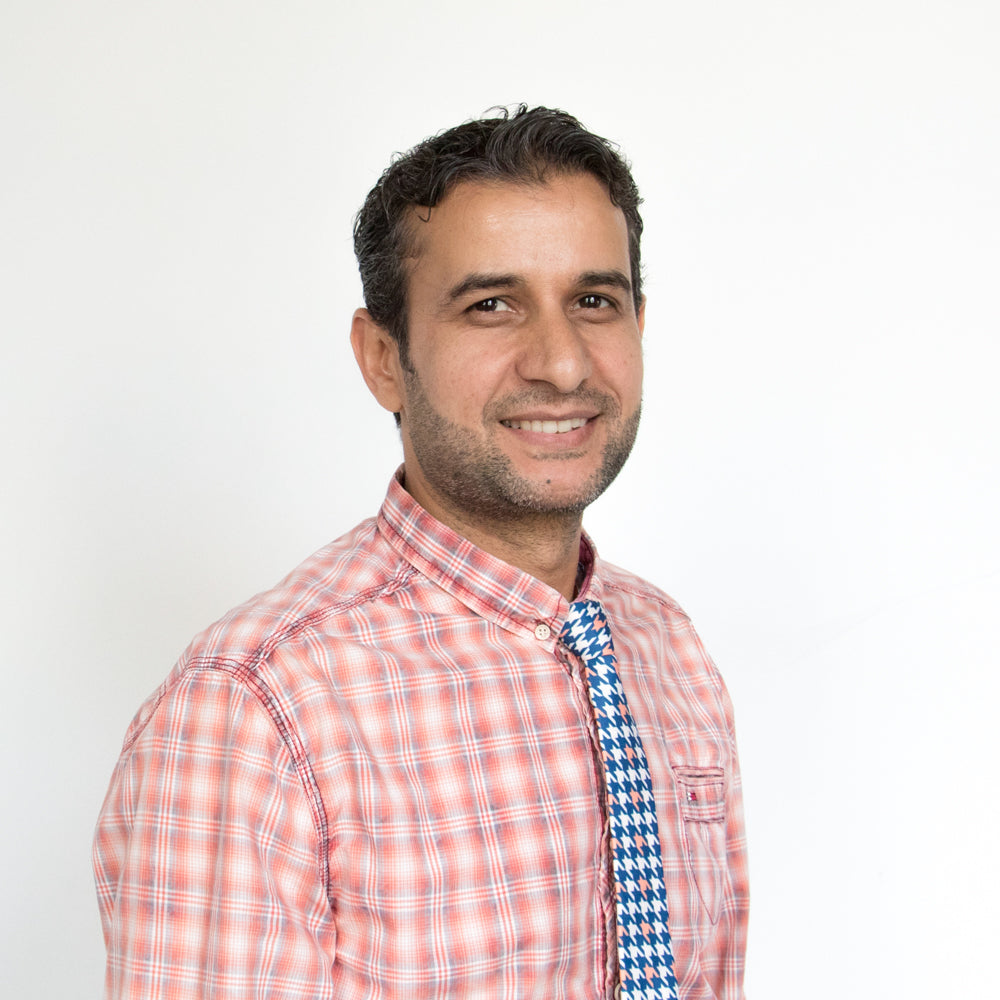
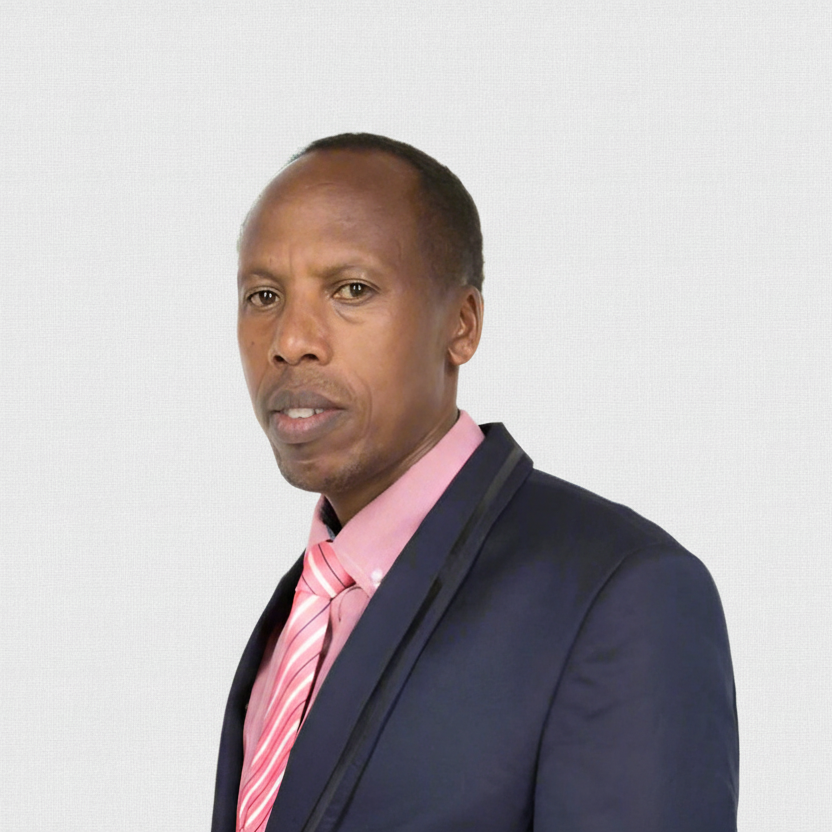
Omar's Journey from Syria and Jordan
Omar is from Hama, Syria. When Syria broke out in war, the government started throwing civilians in jail without cause. After 8 months of living in fear of being thrown in jail at any moment, Omar fled Syria. He and his family found safety at a refugee camp in Jordan. At first Jordan welcomed Syrian refugees, but as more and more Syrians were displaced by the war, Jordan grew reluctant to accept more refugees. Omar lived in the refugee camp for 5 years before he was granted asylum in America.
On February 13th, 2017, Omar and his family started their new life in Colorado. His wife, his 2 year old son, and his 3 year old daughter accompanied him to their new home. Before he moved to America he didn’t know if he would like it here, but now he says he likes Americans even more than his people of Syria. He has felt very welcome here and he likes his coworkers a lot. His goal is to build a bright future for his family in Denver by becoming fluent in English and later hopes to attend fashion design school. His brother and mother are back in Syria and he hopes that some day they will be able to join him in America.
Omar forged his own entrepreneurial path in 2026 after 9 years with Knotty Tie.
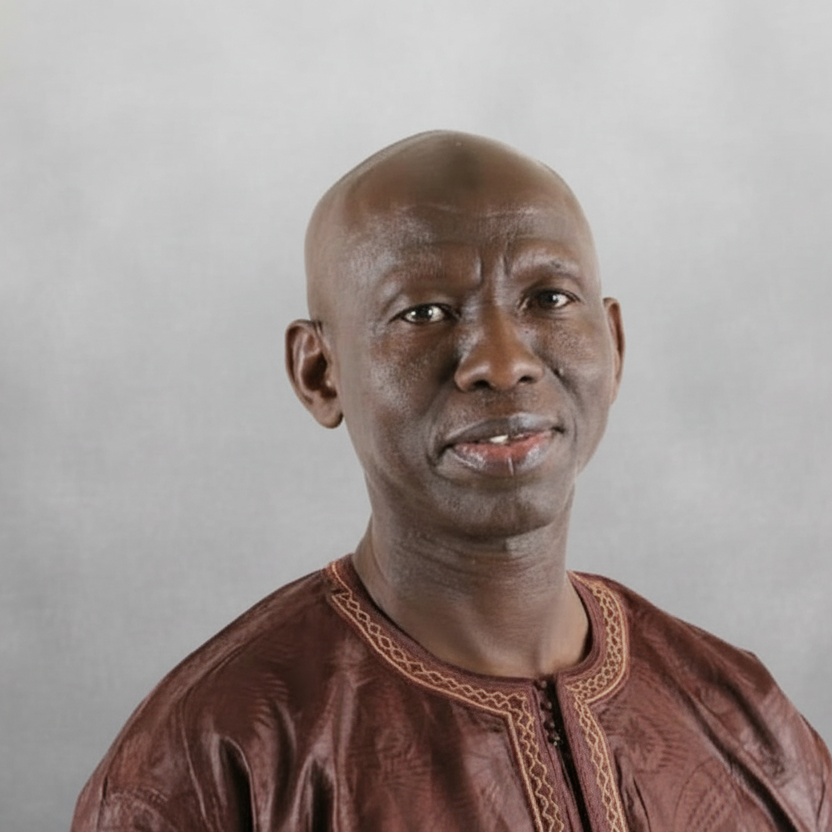
Amadou's Journey from Mauritania and Senegal
A farmer in his home country, Amadou loved raising crops to feed his family. After being forced to flee his home under threat of violence, Amadou's family fled to Senegal, where he met his wife and learned how to sew while working for a small company cutting and sewing traditional African men’s clothing. Amandou and his family lived in Senegal for nearly 20 years before getting an opportunity to move to the United States in 2012.
After making American flags for 10 years at a factory in Kansas City, Amadou moved to Denver and joined the team at Knotty Tie. His attention to detail and insistence on quality is incomparable, only second to his commitment to family and faith. In 5+ years with Knotty Tie, Amadou has expertly made every product we sell. Like a true craftsman, he refuses to produce anything other than the highest level of quality. He is happy to have found a position that pays well, suits his skill set and allows him to provide for him and his 8 children.
Amadou retired from Knotty Tie in 2025.

How many refugees has Knotty Tie employed?
How many refugees has Knotty Tie employed?
We have had the blessing of working alongside 28 incredible humans each along their own unique paths. For some staff, we provided employment when no-one else would, because of necessary physical or medical accommodations needed. Others came skilled far beyond our ability to utilize all their strengths and headed onward to greener pastures.
What countries have the refugee staff come from?
What countries have the refugee staff come from?
- Congo
- Iraq
- Eritrea
- Somalia
- Ethiopia
- Syria
- Iran
- Mauritania
- Senegal
- Cameroon
- Yemen
- Vietnam
Why is the focus on employing refugees?
Why is the focus on employing refugees?
After serving in the US military for 6 years from 2002-2008, our co-founder became impassioned to champion new methods of helping refugees through entrepreneurship. Knotty Tie seeks to demonstrate that refugees, when welcomed and supported by small business, can contribute amazing things to our communities.
Are resettled refugees authorized to work legally in the US?
Are resettled refugees authorized to work legally in the US?
Resettled refugees are legally permanent residents of the USA and are granted work authorization upon arriving to the country, indefinitely as the immigration status does not expire.
What local partners in the refugee community does Knotty Tie work with?
What local partners in the refugee community does Knotty Tie work with?
Non-profit refugee resettlement agencies provide crucial services to asylees and refugees in the first years of their arrival, aiding in their securing of gainful employment through basic employment training, translation services, cultural courses and language courses, as well as skills identification and employment referrals. We work closely on employment and success of hires in Denver with theAfrican Community Center,International Rescue CommitteeandLutheran Family Services.
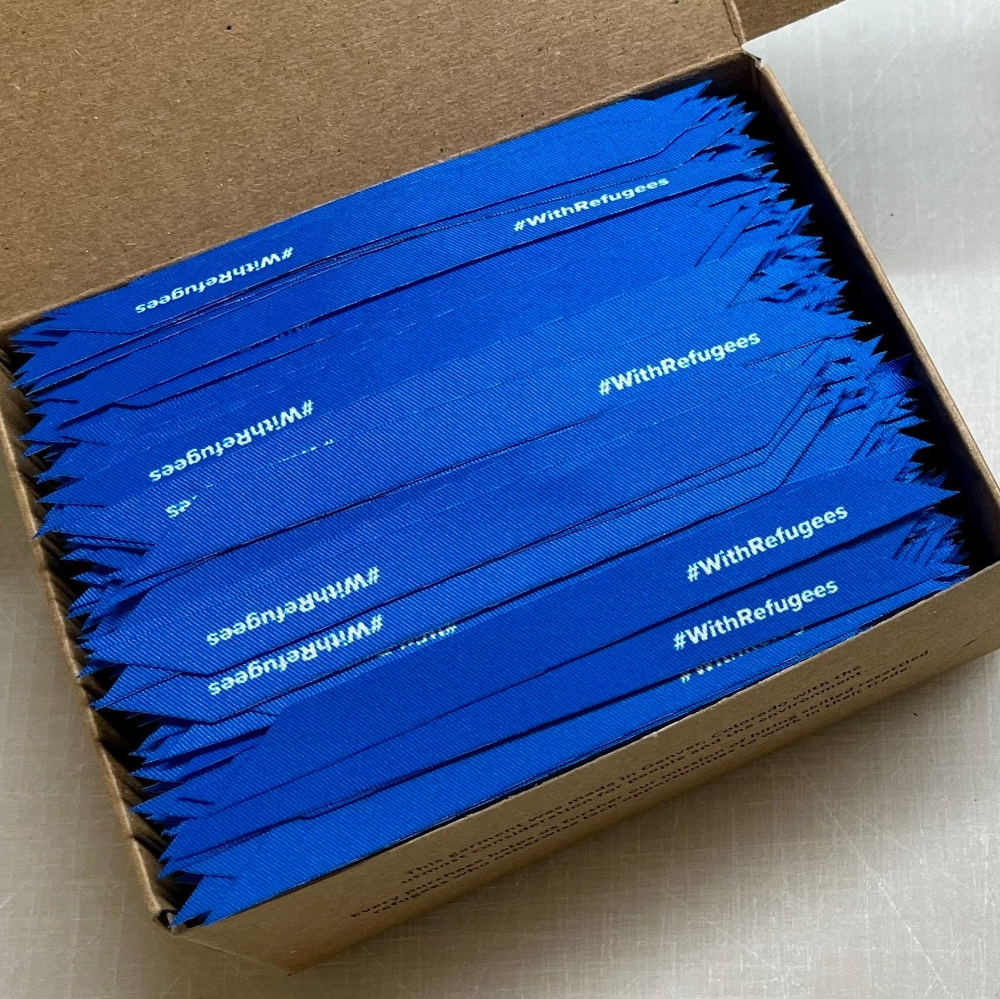
15,000 Ribbons for Refugees
The message behind the ribbons was powerful: solidarity and support for the millions of people around the world who have been forced to flee their homes.


